October 27, 2026
Why Hand Wash Car Detailing Still Beats the Automated Car Wash
By @thehandwashcardetailingway
I have lost count of how many times someone has told me they ran their car through an automated tunnel wash because it was quick and cheap. They almost always follow up with a complaint about the fine scratches left in the clear coat, or the dull film that appeared on the glass after a few days. That is the real cost of speed. Hand wash car detailing is not just an old-fashioned approach. It is a deliberate method that protects your investment in ways a machine never can.
When I started working on cars years ago, I learned quickly that the difference between a good finish and a great one comes down to how much contact you have with the surface. A machine drags the same dirty brushes across every panel. A human hand, using the right tools, can feel the grit before it touches the paint. That is the difference that keeps a car looking new longer.
The Problem with Automated Washes
Automated car washes rely on speed and high pressure to move dirt. The brushes and cloths used in those tunnels are rarely cleaned between cars. Dirt and grit from the vehicle before you gets trapped in the bristles and then ground into your paint. Over time, this creates micro-scratches that dull the finish and reduce the value of the car. Even touchless washes that use high-pressure jets can blast contaminants into the clear coat if the car is not properly pre-rinsed.
Another issue is the soap. Most automated systems use a generic detergent that strips wax and sealants. The pH balance is rarely checked. A good hand wash car detailing service will use a pH-neutral soap that cleans without stripping the protective layers you have paid for. I have seen cars come out of tunnel washes with water spots baked into the glass because the final rinse was not filtered. That is hard to fix without a dedicated water spot remover and some elbow grease.
What Real Hand Washing Entails
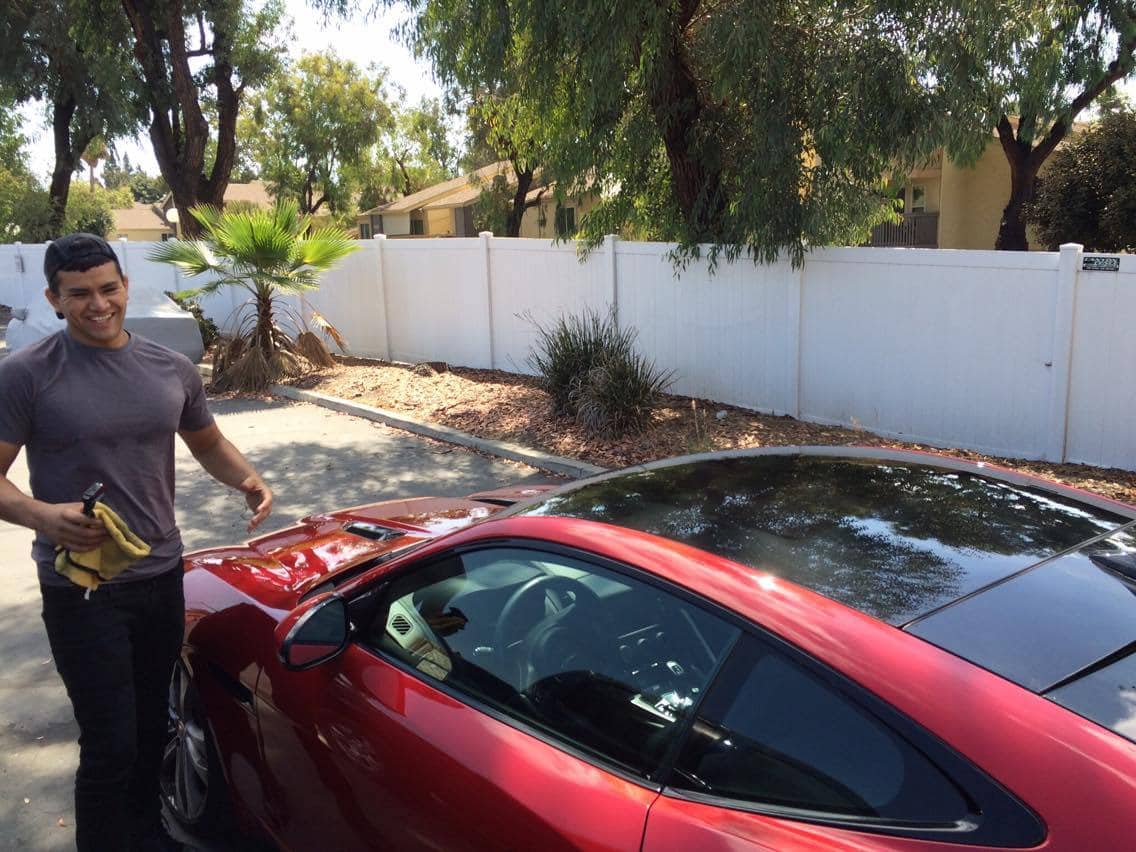
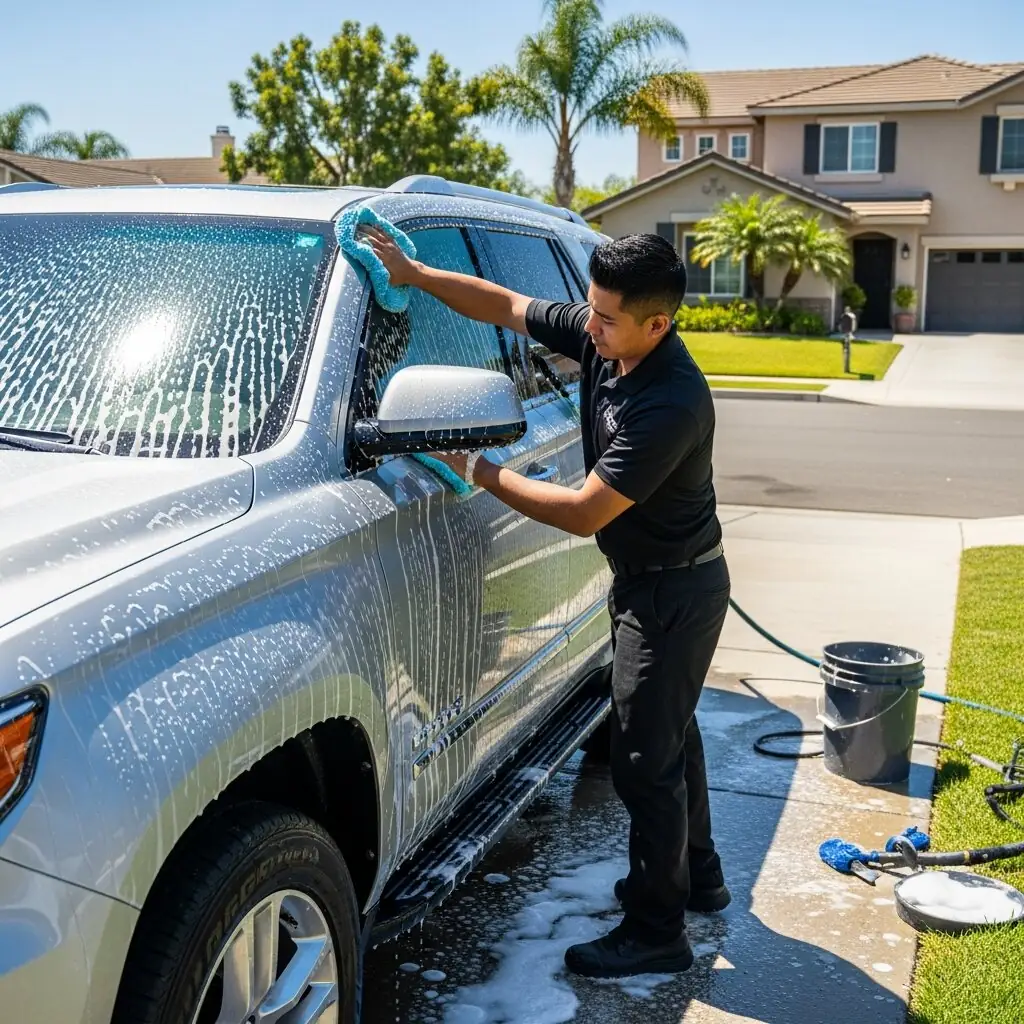
Proper hand wash car detailing is a systematic process. It starts with a thorough pre-rinse using a pressure washer to knock off loose dirt and debris. Then a foam cannon applies a thick coat of pH-neutral soap. The foam clings to the surface and lifts grime without scrubbing. From there, a microfiber towel or a soft wash mitt is used to gently clean each panel. Every section is rinsed immediately to prevent the soap from drying and leaving residue.
The wheels and tires are handled separately. A dedicated wheel cleaner is applied with a stiff brush, and the tires are scrubbed to remove embedded dirt and road film. After rinsing, a tire shine product is applied to restore the deep black look. This is not something a tunnel wash can do with any precision.
Tools of the Trade
Anyone serious about car care invests in the right equipment. A high-quality pressure washer with adjustable pressure settings is essential. Too much pressure can damage seals and force water into electronics. Too little pressure and you are just moving dirt around. The foam cannon should be adjustable to control the soap-to-water ratio. A thick foam clings longer and does the cleaning work for you.
Microfiber towels are the gold standard for drying and buffing. They are gentle on clear coats and absorb water without leaving lint. I keep a stack of clean ones for each stage of the process. Once a towel is used for wheels or tires, it never touches the paint again. That is a simple rule that prevents cross-contamination.
An air compressor is handy for blowing water out of crevices like the gaps around headlights, door handles, and emblems. Standing water in those areas can leave mineral deposits that are hard to remove. A quick blast of air before drying saves time and prevents water spots.
Beyond the Wash: Protection and Correction
Washing is only half the story. After the car is clean, the real work begins. If the paint has light scratches or swirl marks, a clay bar can be used to remove embedded contaminants that washing alone cannot lift. That is the first step in paint correction. An orbital polisher with the right pad and compound can restore clarity to dull paint. This is a skill that takes practice. Too much pressure or the wrong pad can burn through the clear coat. A professional hand wash car detailing service will know exactly when to use a fine polish versus a heavy compound.
Once the paint is smooth, a wax sealant or a ceramic coating is applied. Ceramic coating bonds to the clear coat and creates a hard, hydrophobic layer that repels water, dirt, and UV rays. It also adds a deep gloss that lasts for months. A wax sealant is easier to apply and works well for cars that see regular washing, but it does not last as long. The choice between them depends on how you use the car and how much time you want to spend on maintenance.
A UV protectant is also important, especially in sunny areas like Chula Vista and the South Bay. The sun can fade paint and dry out rubber seals. A good protectant slows that process down. For the interior, a leather conditioner keeps seats from cracking and fading. Glass cleaner with ammonia-free formula is used on windows to avoid damaging tint films.
Why It Matters for Your Wallet
Your car is one of the biggest purchases you will make. Keeping the exterior and interior clean does more than make it look nice. It preserves the resale value. A car with a well-maintained clear coat and clean interior can sell for thousands more than a neglected one. The automated wash might save you ten minutes today, but it costs you in the long run.
A veteran-owned mobile detailing service that operates in Chula Vista and the South Bay understands this. They bring the equipment and experience to your driveway or parking lot. That means you do not have to drive through a tunnel and hope for the best. You get a trained professional who inspects every surface and uses techniques that protect the finish. That is the kind of service that builds trust and keeps customers coming back.
Practical Tips for Car Owners
If you want to maintain your car between professional washes, here are a few things you can do at home:
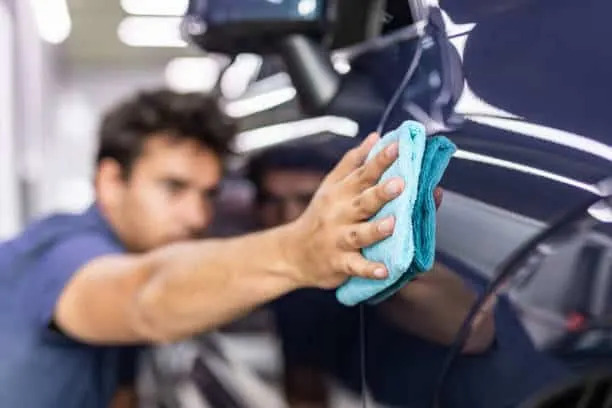
- Use a detail spray and a clean microfiber towel to wipe off light dust and bird droppings. Never wipe a dry surface with a dirty rag.
- Park in the shade whenever possible. UV damage is cumulative and irreversible.
- Rinse the car with water before using any soap. This removes loose grit and reduces scratching.
- Apply a wax sealant every three months if you do not have a ceramic coating. It adds a layer of protection that makes washing easier.
- Clean the wheels and tires with a dedicated wheel cleaner. Do not use the same bucket or sponge you use on the paint.
The Bottom Line
Hand wash car detailing is not a luxury reserved for show cars. It is the most effective way to keep any vehicle looking its best and holding its value. The tools and techniques I have described are not complicated, but they require patience and attention to detail. Whether you do it yourself or hire a professional, the principles are the same. Use the right soap, the right towels, and the right sequence of steps. Your car will reward you with a finish that turns heads and lasts.
❧